

Why Storytelling Has Become Essential in Event Management
- Défi Dékip

- Dec 6, 2025
- 2 min read
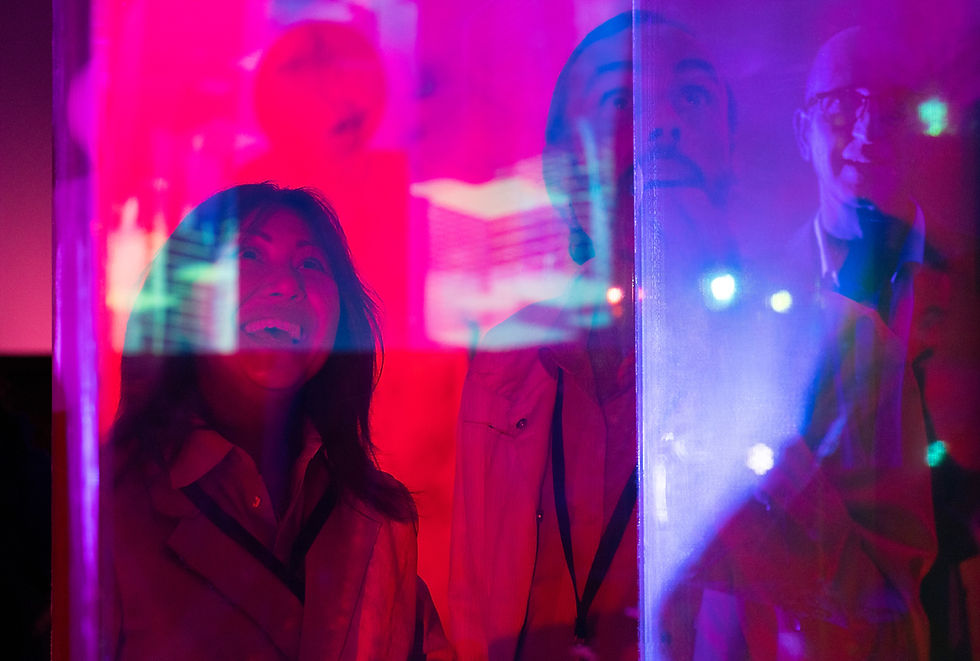
In an era where audiences are overwhelmed with information and choices, simply capturing attention is no longer enough. Event planners must spark emotion, build meaning, and create lasting memories. This is precisely what storytelling delivers — making it not just useful, but indispensable in modern events.
1. Audiences want to experience, not just attend
Contemporary attendees are seeking:
immersion,
a narrative they can follow,
a role in the experience.
Storytelling turns an event into something lived, not just observed.
2. A strong story guides design and decision-making
A good narrative becomes the event’s guiding thread, shaping:
scenography,
content,
activities,
communication,
tone and rhythm.
It creates coherence and simplifies choices across the board.
3. Storytelling builds strong emotional connections
Emotion drives memory. Narrative-based events help:
strengthen brand affinity,
increase attendee engagement,
create long-lasting impressions.
People don’t just remember the event — they retell the story.
4. It enhances brand coherence
For corporate and institutional events, storytelling:
translates organizational values into an experience,
aligns communication before, during, and after the event,
avoids inconsistency between message and on-site reality.
A consistent story doubles as a branding tool.
5. It boosts engagement and participation
A narrative naturally encourages involvement. Participants feel like:
contributors,
explorers,
challengers,
co-creators.
Engagement increases dramatically when people feel part of the story.
6. It distinguishes your event from all others
In a saturated event landscape, differentiation comes from emotion and identity.Storytelling provides:
a signature,
memorable moments,
a unique personality.
It becomes a competitive advantage.
7. It structures the pre- and post-event phases
A story expands the event beyond the live moment. It fuels:
teasers and anticipation,
narrative content during the event,
continuity afterwards (recaps, thank-you messages, follow-up videos).
It maximizes impact across the entire event lifecycle.
In summary:
Storytelling has become essential because it brings coherence, meaning, and emotion to events. It transforms gatherings into memorable experiences and strengthens engagement while enhancing brand identity. In a crowded marketplace, it’s the story — and the way people get to live it — that sets an event apart.


Comments